
Your Garage Door Springs Are Working Harder Than You Think
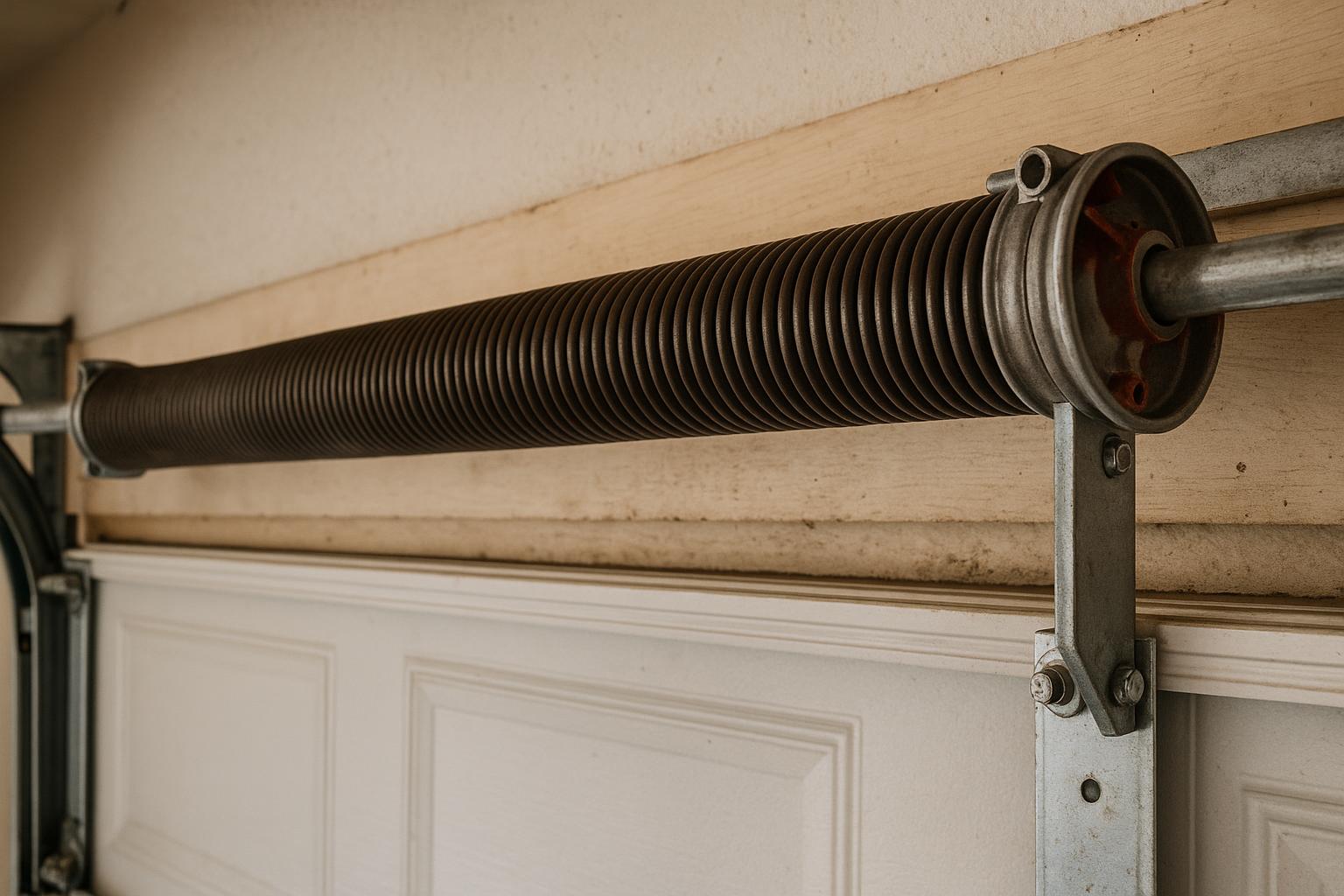
Most homeowners in Surf City don't think much about their garage door springs — until something goes wrong. But those tightly wound metal coils are doing the heavy lifting every single time your garage door opens and closes. A standard residential garage door can weigh anywhere from 130 to 350 pounds, and the springs are responsible for counterbalancing all of that weight.
Over time, springs wear out. They have a finite lifespan measured in cycles — one cycle being a single open-and-close sequence. Most standard torsion springs are rated for around 10,000 cycles, which translates to roughly seven to ten years of average use. But factors like coastal humidity, temperature swings along the Jersey Shore, and frequency of use can shorten that lifespan considerably.
Knowing the warning signs of a failing spring can save you from an unexpected breakdown, a damaged door, or even a serious safety hazard. Here are five signs it's time to call a professional.
1. Your Garage Door Feels Unusually Heavy
Try this simple test: disconnect your garage door opener by pulling the emergency release cord, then manually lift the door about halfway. A properly balanced door with healthy springs should stay in place on its own or move very little. If the door feels extremely heavy, slams down quickly, or won't stay open without you holding it, your springs are likely losing tension.
This is one of the earliest warning signs, and it's easy to miss if you always use an automatic opener. The opener compensates for weakening springs by working harder, which can burn out the motor prematurely. If your opener seems to be straining or moving slower than usual, worn springs could be the underlying cause.
2. You Hear a Loud Bang From the Garage
If you've ever heard a sudden, loud bang coming from your garage — almost like a firecracker — there's a good chance a spring just snapped. When a torsion spring breaks, the stored energy releases all at once, creating a startling noise that homeowners across Long Beach Island sometimes mistake for something falling or even an intruder.
A broken spring is unmistakable once you look at it. You'll see a visible gap in the coil, usually near the center of the spring mounted above the door. Never attempt to open or operate your garage door with a broken spring. The door will be dangerously heavy, and forcing it open can damage the opener, the cables, or the door panels — and it poses a real risk of injury.
3. The Door Opens Unevenly or Crooked
Most garage doors use two springs — one on each side of the torsion bar, or one on each side of the door if you have extension springs. When one spring weakens or breaks while the other remains functional, the door will lift unevenly. You might notice one side rising faster than the other, or the door looking crooked as it travels along the tracks.
An uneven door puts extra stress on the tracks, rollers, and cables, leading to accelerated wear on those components as well. If you notice your garage door looking lopsided during operation, don't ignore it. Addressing the spring issue early can prevent a cascade of more expensive repairs down the road.
4. Visible Wear, Rust, or Gaps in the Springs
Take a moment to visually inspect your garage door springs. Look for signs of rust, corrosion, or stretched-out coils. Here on the Jersey Shore, the salt-laden air accelerates metal corrosion, and springs are particularly vulnerable because they're under constant tension. Rust weakens the metal and makes the spring more brittle, increasing the likelihood of a sudden break.
Signs of physical wear to watch for include:
- Rust or discoloration along the coils
- Visible gaps or separations between coils
- Springs that look stretched or elongated compared to when they were new
- Fraying or wear on the cables connected to the springs
If your springs show any of these signs, it's wise to have them inspected by a professional sooner rather than later. Preventive replacement is always safer and less costly than dealing with a sudden failure.
5. Your Garage Door Won't Open at All
This is the most obvious sign, and unfortunately, it's the one most homeowners encounter first. You press the button on your opener and nothing happens — or the motor runs but the door barely budges. In many cases, a completely non-functional garage door points directly to a broken spring.
When this happens on a busy morning in Surf City — especially during the summer when the island's population swells — it can throw your entire day off. Your car is trapped, your schedule is disrupted, and you need help fast. That's exactly why we offer emergency garage door service to homeowners throughout Ship Bottom, Beach Haven, Harvey Cedars, Barnegat Light, and Long Beach Township. A broken spring doesn't wait for a convenient time, and neither should your repair.
Why You Should Never Replace Garage Door Springs Yourself
We understand the DIY temptation. There are countless videos online showing how to replace garage door springs, and the parts themselves aren't terribly expensive. But garage door spring replacement is consistently ranked among the most dangerous home repair tasks you can attempt without professional training.
Here's why:
- Extreme tension: Torsion springs are wound under tremendous force. A spring that slips during installation can cause severe injuries or even death.
- Specialized tools required: Proper spring replacement requires winding bars, clamps, and other tools that most homeowners don't have.
- Precise calibration: Springs must be wound to exact specifications based on the door's weight and size. Incorrect tension leads to premature failure or an unbalanced door.
- Paired replacement: When one spring breaks, the other is usually near the end of its lifespan too. A professional will assess whether both springs should be replaced together, saving you from a repeat failure weeks later.
This is one job where calling a trained technician isn't just the easier option — it's the responsible one.
How Long Do Replacement Springs Last?
Standard torsion springs are rated for approximately 10,000 cycles. If you open and close your garage door four times a day, that's roughly seven years. However, high-cycle springs rated for 25,000 or even 50,000 cycles are available and can last significantly longer.
For homeowners in Surf City who use their garage frequently — whether for daily commuting, storing beach gear, or accessing outdoor equipment — upgrading to high-cycle springs can be a smart long-term investment. We're happy to walk you through the options and help you choose the right springs for your usage patterns and budget.
Don't Wait for a Breakdown
Garage door springs give you warning signs before they fail completely. Paying attention to those signals — a heavy door, unusual noises, uneven movement, visible wear, or a door that won't open — can help you avoid the inconvenience and safety risks of a sudden break.
If you've noticed any of these signs at your home in Surf City or anywhere along Long Beach Island, give Surf City Garage Door a call. We'll inspect your springs, give you an honest assessment, and handle the replacement quickly so you can get back to your day with peace of mind.