
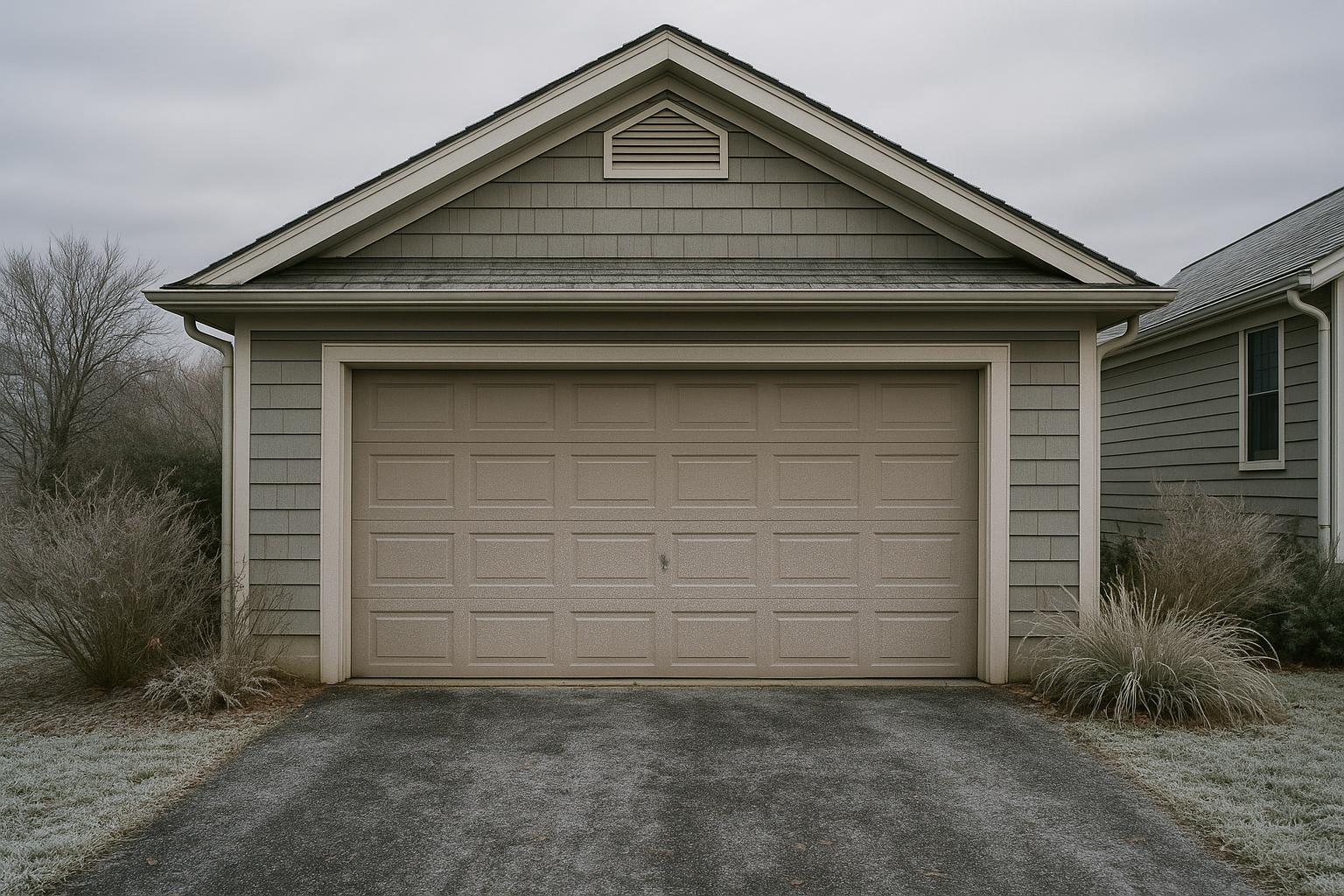
Cold Weather and Your Garage Door: A Common Winter Problem
It's a freezing January morning in Surf City. You're running late, coffee in hand, and you hit the button to open your garage door. Nothing happens. Or maybe it groans, lifts a few inches, and stops. If this sounds familiar, you're not alone. Cold weather is one of the most common reasons garage doors malfunction during the winter months, and here on Long Beach Island, the combination of frigid temperatures and coastal humidity makes the problem even worse.
Understanding why cold weather affects your garage door — and knowing what you can do about it — can save you from being stranded in your garage on the worst possible morning.
The Most Common Reasons Your Garage Door Struggles in the Cold
1. Thickened or Hardened Lubricant
Your garage door system relies on lubrication to keep moving parts operating smoothly. The tracks, rollers, hinges, and springs all need proper lubrication to function without excessive friction. When temperatures drop, standard lubricants can thicken or even harden, creating resistance throughout the entire system.
When this happens, your garage door opener has to work much harder to move the door. In some cases, the resistance is enough to prevent the door from opening at all, or the opener's safety features may kick in and stop the door mid-cycle because it detects too much strain.
The fix: Use a silicone-based or lithium-based garage door lubricant, which is specifically designed to perform in cold temperatures. Avoid using WD-40 as a long-term lubricant — it's a solvent, not a true lubricant, and it can actually attract dust and grime over time.
2. Contracted Metal Parts
Metal contracts when it gets cold. This is basic physics, but it has real consequences for your garage door. The springs, tracks, and hardware are all made of metal, and even slight contraction can change how these components interact. Springs may lose some tension, tracks may shift slightly, and bolts can loosen over time as the metal expands and contracts through repeated temperature cycles.
This is especially relevant for homeowners in Ship Bottom, Beach Haven, and other LBI communities where temperatures can swing dramatically between daytime highs and overnight lows during the winter.
The fix: Have your garage door inspected and tuned up before winter arrives. A professional can adjust spring tension, tighten hardware, and ensure everything is properly aligned to account for seasonal temperature changes.
3. Weather Seal Sticking to the Ground
The rubber weather seal along the bottom of your garage door is designed to keep out drafts, rain, and debris. But when temperatures drop below freezing, moisture on your driveway or garage floor can cause this seal to freeze to the ground. When you try to open the door, the seal sticks, and the opener strains against it.
Forcing the door open in this situation can tear the weather seal, damage the bottom panel of the door, or even burn out your opener motor.
The fix: If you suspect the seal is frozen to the ground, never force the door open. Instead, try using a heat gun or even pouring warm (not boiling) water along the base of the door to gently melt the ice. To prevent this from happening in the first place, apply a thin layer of silicone spray to the bottom seal before cold weather sets in.
4. Dead or Weak Opener Batteries
This one catches a lot of people off guard. Cold weather drains batteries faster than warm weather. If your garage door remote or wall-mounted keypad uses batteries, they may lose their charge more quickly during winter. Before you assume something is mechanically wrong with your door, check the batteries in your remote and keypad.
The fix: Replace batteries at the start of each winter season as a preventive measure. Keep spare batteries in your car so you're never caught off guard.
5. Misaligned or Dirty Safety Sensors
Your garage door opener has two safety sensors near the bottom of the door tracks. These sensors send an invisible beam across the opening, and if anything breaks that beam, the door won't close — or in some cases, won't operate at all. During winter, condensation, frost, or debris kicked up by coastal winds can block or misalign these sensors.
The fix: Wipe the sensor lenses clean with a soft cloth. Make sure both sensors are properly aligned and that their indicator lights are steady, not blinking. If the problem persists, the sensors may need professional adjustment or replacement.
Preventive Steps to Winter-Proof Your Garage Door
Rather than waiting for a problem to strand you on a cold morning, take these steps to prepare your garage door for winter:
- Schedule a fall tune-up. A professional inspection before winter can catch small issues before they become big problems. This includes checking spring tension, lubricating all moving parts, inspecting cables and rollers, and testing the opener's force settings.
- Insulate your garage door. An insulated garage door helps regulate the temperature inside your garage, reducing the severity of cold-weather issues. It also improves energy efficiency if your garage is attached to your home.
- Keep the tracks clean. Salt, sand, and debris from LBI's coastal environment can accumulate in your garage door tracks. Clean them regularly with a damp cloth to prevent buildup that adds friction.
- Test your door monthly. Open and close your garage door a few times and listen for unusual sounds. Watch for jerky movements or uneven travel. Catching a problem early is always cheaper than dealing with a full breakdown.
When to Call a Professional
Some cold-weather garage door issues are easy to handle on your own — replacing batteries, cleaning sensors, or applying lubricant. But other problems require professional attention. If your garage door is making loud popping or grinding noises, if it's visibly off-track, or if the springs appear damaged or broken, don't try to fix it yourself. Garage door springs are under extreme tension and can cause serious injury if handled improperly.
If you're in Surf City or anywhere on Long Beach Island and your garage door is giving you trouble this winter, Surf City Garage Door is here to help. We offer fast, reliable service throughout Barnegat Light, Harvey Cedars, Long Beach Township, and the surrounding shore communities. Whether you need a quick repair or a full winter tune-up, we'll make sure your garage door is ready to handle whatever the season throws at it.
Don't Let Winter Catch You Off Guard
A garage door that won't open on a cold morning is more than an inconvenience — it can disrupt your entire day. But with a little preventive maintenance and the right knowledge, you can avoid most cold-weather garage door problems before they start. And if something does go wrong, knowing when to call in a professional can save you time, money, and frustration.
Have questions about preparing your garage door for winter? Give Surf City Garage Door a call. We're your local experts, and we're always happy to help.