
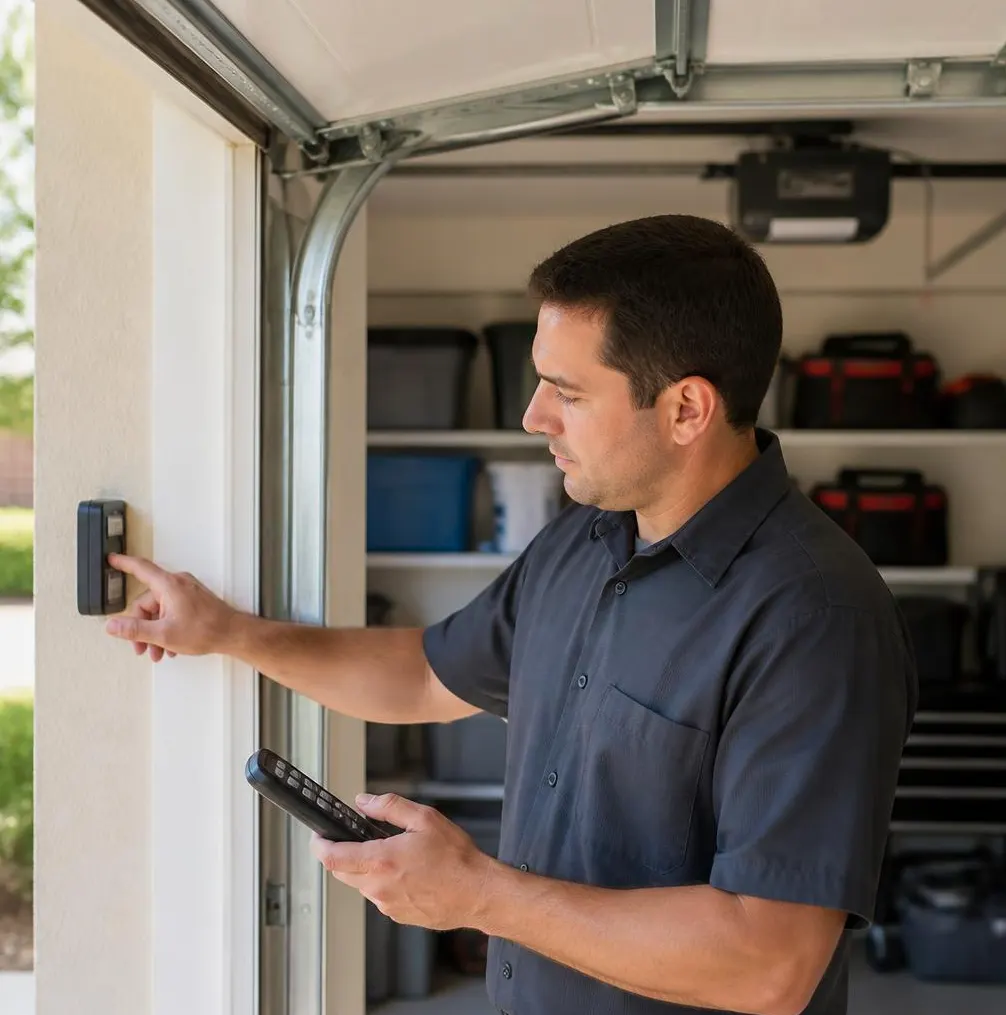
What a Technician Sees on a Late-Fall Call
By late October, the calls start sounding familiar: a homeowner notices the garage door is sticking halfway up, or there's a thin line of daylight under the bottom seal where there wasn't one in July. On a lot of the older houses around Long Beach Island, the original door and hardware have been through a decade or more of salt air, humid summers, and winter freeze-thaw cycles, and by the time the first nor'easter rolls through, small issues that were easy to ignore in August suddenly aren't. A door that drags a little in October usually won't open at all on a 20-degree morning after an ice storm.
Check the Weatherstripping and Bottom Seal
The rubber seal along the bottom of the door and the vinyl stripping around the frame are the first line of defense against wind-driven rain and snow. Salt air and UV exposure make these brittle faster here than in drier inland climates, so look for cracking, flattening, or gaps where the seal has pulled away from the track. If you can see daylight around the edges or feel a draft, it's time to replace it. A fresh seal keeps blowing snow and salt spray out of the garage, which matters most during a nor'easter when wind is pushing moisture sideways instead of straight down.
Lubricate Before the Cold Sets In
Cold makes grease stiffen and metal contract, which is part of why doors that work fine in September start groaning or sticking in January. Before temperatures drop for good, apply a silicone-based or lithium-based lubricant (avoid WD-40 as a long-term lubricant since it doesn't hold up) to the rollers, hinges, and springs. Skip the track itself — lubricating the track can actually attract grit and salt residue, which grinds against the rollers instead of helping them glide. A few minutes with a spray can now prevents the stiff, jerky movement that puts extra strain on the opener motor during the coldest months.
Test the Balance and Listen for Spring Strain
Disconnect the opener and manually lift the door halfway. It should stay in place on its own. If it drifts down or feels heavier than it used to, the springs are losing tension — and cold weather makes torsion springs more brittle and more likely to snap, especially on doors that have already seen a few seasons of salt exposure. This isn't a DIY fix; springs are under heavy tension and require the right tools and experience. But catching an out-of-balance door in the fall means scheduling a replacement on your own timeline instead of waking up to a door that won't budge during a cold snap.
Inspect Hardware for Rust and Loosening
Freeze-thaw cycles work metal fasteners loose over time, and salt air speeds up corrosion on anything not stainless or galvanized. Walk the track brackets, hinges, and roller mounts and check for rust streaks or bolts that have backed out. Tighten what you can with a wrench, and make a note of any brackets that look pitted or corroded enough to need replacing before they fail under winter load.
Protect the Opener and Backup Battery
If your opener has a battery backup, cold weather is hard on battery performance, and a dead backup is useless exactly when a storm knocks out power. Test it now. Also check that the opener's safety sensors (the small eyes near the bottom of the track) are clean and properly aligned — condensation and humidity can fog them up, and a misaligned sensor will refuse to close the door at the worst possible moment.
Think About the Door Itself, Not Just the Hardware
On older homes across Ship Bottom, Harvey Cedars, and the rest of LBI, the original door panels sometimes have warping or delamination that's easy to miss until winter humidity and cold expose it. Run your hand along the panels for soft spots, and check that the door still sits flush against the frame when closed. A door that doesn't seal tightly lets in cold air and moisture, both of which are harder on an attached garage's insulation and anything stored inside through the winter.
When to Call Surf City Garage Door
If the balance test shows a problem, the opener's battery won't hold a charge, or you're hearing new grinding or popping noises when the door moves, it's worth having it looked at before winter rather than after a breakdown. Surf City Garage Door handles spring replacement and preventive maintenance visits that cover exactly this kind of pre-season tune-up — checking balance, hardware, and opener function in one visit so you're not troubleshooting in freezing weather.
If you're in Surf City, Ship Bottom, Beach Haven, or anywhere else on LBI and want your garage door ready before the first real cold snap, call Surf City Garage Door to schedule a winter check-up.